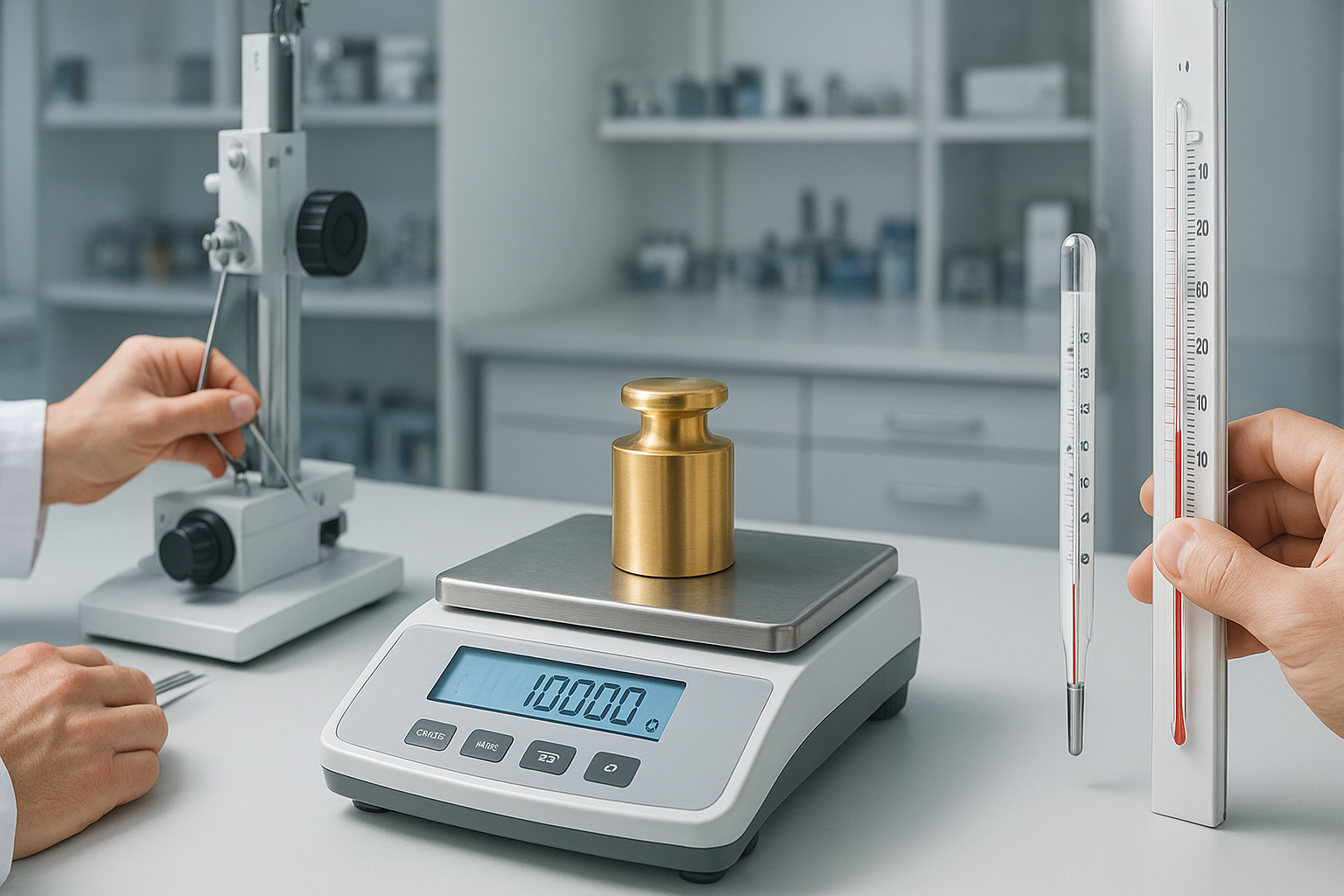
Kalibraatio is the Finnish word for calibration. It means making sure that a measuring tool or machine is giving the correct results. This process is important in science, factories, hospitals, and many other places. Without kalibraatio, measurements could be wrong, which could cause problems. In this article, we will explain what kalibraatio is, why it is important, and how it works—in the easiest way possible.
What Is Kalibraatio?
Kalibraatio means checking a device’s accuracy by comparing it with something that is already known to be correct.
For example:
- If you have a ruler, you can compare it with a standard ruler to make sure both show the same length.
- If you have a thermometer, you can check it with a standard thermometer to see if they both show the same temperature.
In short, kalibraatio makes sure a measuring tool is working as it should.
Why Is Kalibraatio Important?
Kalibraatio matters because:
- It gives accurate results – People can trust the numbers they see.
- It keeps things safe – In hospitals, correct measurements are needed for treatments.
- It saves money – Correct measurements prevent waste in factories.
- It follows rules – Many industries must perform kalibraatio to meet official standards.
Without kalibraatio, machines might give wrong readings, which can cause serious problems.
Where Is Kalibraatio Used?
Kalibraatio is used in many places, such as:
- Hospitals – for medical devices like blood pressure monitors.
- Factories – for machines that measure weight, size, or temperature.
- Science labs – for equipment like microscopes and scales.
- Airports – for safety tools that check weather conditions.
- Daily life – even a kitchen scale can be checked with kalibraatio.
How Does Kalibraatio Work?
Kalibraatio usually follows these steps:
- Choose a standard – A standard is a tool or device known to be correct.
- Compare the tools – The device being tested is compared with the standard.
- Find differences – If the device shows a different result, the difference is noted.
- Adjust if needed – The device may be fixed so it matches the standard.
- Record the results – The results are written down in a report.
Example of Kalibraatio in Daily Life
Imagine you are baking a cake, and your kitchen scale shows 500 grams of sugar. But when you check the sugar on another trusted scale, it shows only 450 grams. This means your kitchen scale is wrong. By doing kalibraatio, you can fix it so it shows the correct amount again.
How Often Should Kalibraatio Be Done?
It depends on how the device is used:
- If it is used often, kalibraatio should be done more frequently.
- Devices in hospitals or science labs are usually checked regularly.
- Home tools like bathroom scales can be checked once in a while.
Regular kalibraatio keeps tools accurate for longer.
Who Performs Kalibraatio?
Kalibraatio can be done by:
- Trained technicians – People with special skills and tools.
- Accredited laboratories – Official places that follow strict rules.
- Manufacturers – Companies that make the devices.
Tools Used in Kalibraatio
Different devices need different tools for kalibraatio:
- Weights – for scales.
- Thermometers – for temperature devices.
- Gauge blocks – for measuring length.
- Reference meters – for speed or electricity measurements.
Benefits of Kalibraatio
- Accuracy – Measurements are correct.
- Trust – People can believe the results.
- Safety – Avoids dangerous mistakes.
- Efficiency – Saves time and resources.
- Compliance – Meets official rules.
Problems Without Kalibraatio
If kalibraatio is not done:
- Machines may give wrong readings.
- Products may not meet quality standards.
- Safety risks may increase.
- Money and resources could be wasted.
Simple Tips for Good Kalibraatio
- Always use a trusted standard.
- Keep tools clean and in good condition.
- Do kalibraatio at regular intervals.
- Record all results clearly.
Kalibraatio and Quality Control
Kalibraatio is a key part of quality control in many industries. It ensures that every product meets the right standard. For example, in a factory making bolts, the size must be exact. If machines are not calibrated, the bolts may be too big or too small, which could cause failures.
The Role of Standards in Kalibraatio
Standards are official references agreed upon by experts. They make sure that kalibraatio is done the same way everywhere.
For example:
- One meter in Finland is the same as one meter in any other country.
- One kilogram in one lab is the same as in another lab.
Kalibraatio for Digital Devices
Many devices today are digital. Kalibraatio for these devices still follows the same idea—compare with a standard and adjust if needed. Software updates may also be part of keeping accuracy.
Conclusion
Kalibraatio is the process of checking and correcting measuring tools so they give the right results. It is used in hospitals, factories, science labs, and even in daily life. Without kalibraatio, mistakes can happen, products can fail, and safety can be at risk. Doing kalibraatio regularly ensures our measurements are correct, safe, and reliable.
Kalibraatio may sound technical, but it is simply about making sure our tools tell the truth.
Another Topic To Read: Pizokeelio Simple Guide to Understand and Enjoy It
FAQs About Kalibraatio
Q1: What does kalibraatio mean?
Kalibraatio is the Finnish word for calibration. It means checking and correcting a measuring tool to make sure it gives the right results.
Q2: Why is kalibraatio important?
Kalibraatio ensures measurements are correct, keeps people safe, saves money, and helps meet official quality standards.
Q3: Where is kalibraatio used?
It is used in hospitals, factories, science laboratories, airports, and even in daily life for things like kitchen scales.
Q4: How is kalibraatio done?
A device is compared to a trusted standard, differences are noted, and adjustments are made if needed. The results are recorded in a report.
Q5: How often should kalibraatio be done?
The frequency depends on how often the device is used. Critical devices, like those in hospitals or labs, are checked more regularly.
Q6: Who performs kalibraatio?
It is usually done by trained technicians, accredited laboratories, or the device manufacturer.
Q7: What happens if kalibraatio is not done?
Without kalibraatio, devices can give wrong results, which can cause safety problems, product failures, and financial loss.