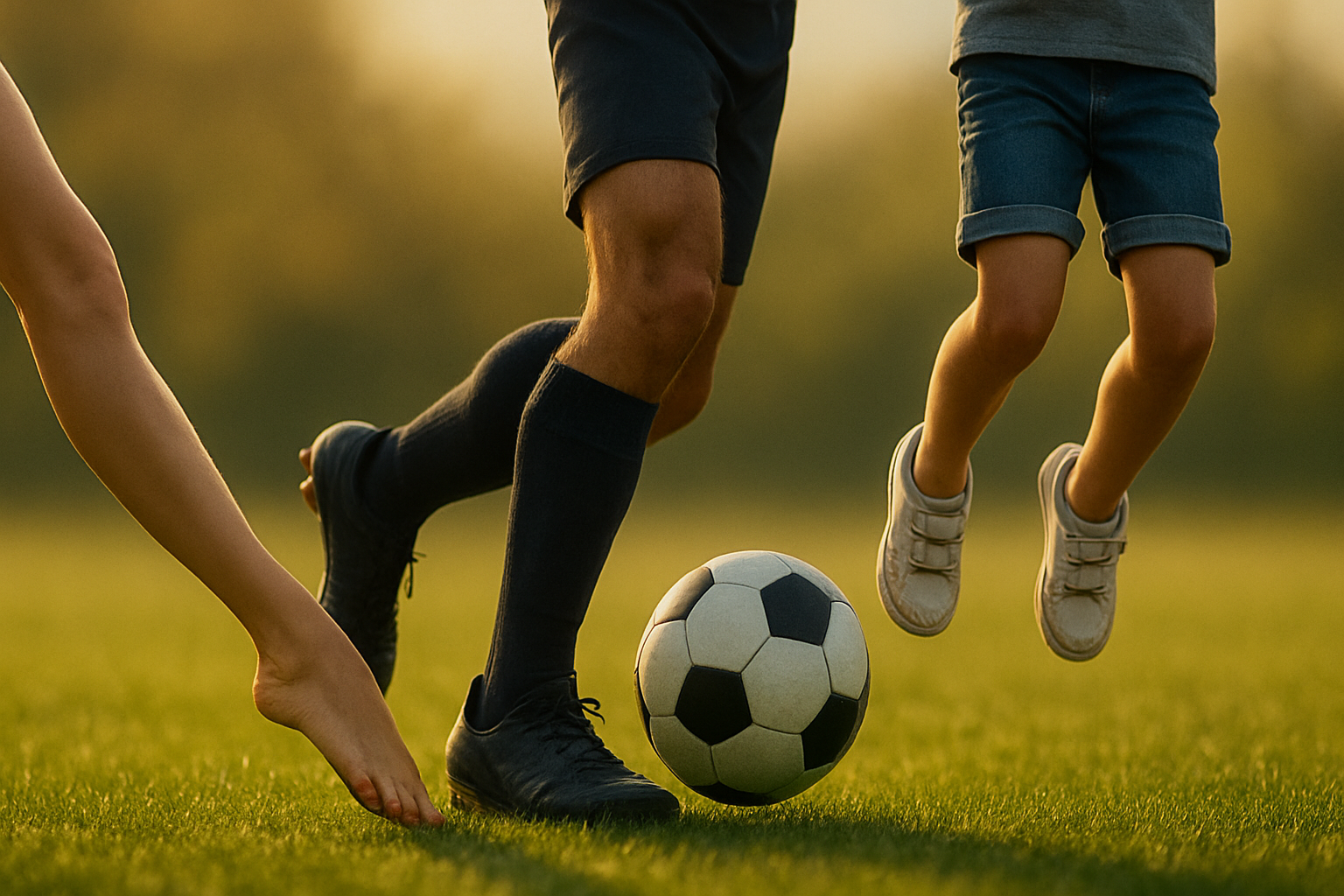
The word piernada may sound new to many people. The word piernada is built from the Spanish word “pierna,” meaning leg, and it refers to movements or actions that the leg performs.
In this article, we will explain what piernada means, how it can be understood, and why it is important. The goal is to make the meaning of piernada simple, correct, and easy to understand.
What Does Piernada Mean?
The base word pierna means leg. In Spanish, adding “-ada” often means “an action done with” or “something related to.”
So, piernada can be understood as an action or movement involving the leg. It highlights the role of the leg in motion, whether in sports, dance, or daily life.
Piernada as a Movement
When people hear piernada, they may think of:
- A step
- A kick
- A swing of the leg
In sports, a piernada could be kicking a ball. In dance, it can be a stylish move of the leg. In daily life, climbing stairs or walking can also be called a piernada.
Importance of the Leg in Piernada
The leg is one of the most powerful parts of the human body. It helps us stand, walk, run, and keep balance.
Because of this, every piernada shows strength, balance, and motion together.
Piernada in Sports
Sports are full of piernadas:
- Soccer: Every kick of the ball is a piernada.
- Martial Arts: Each kick in karate or taekwondo is a piernada.
- Running: Every stride taken by a runner is a piernada.
In sports, piernadas are linked with power and skill.
Piernada in Dance
Dance also shows piernada clearly.
- A dancer raising a leg
- A tap move
- A rhythmic swing
All of these are piernadas. They add beauty and style to the dance.
Piernada in Everyday Life
Piernada is not only for sports or dance. It is part of daily life too:
- Walking across a room
- Climbing steps
- Stretching legs
Each of these can be described as small piernadas.
Piernada and Expression
A piernada can also show feelings:
- A strong piernada shows energy and confidence.
- A soft piernada shows calmness and grace.
This means piernada is not just movement—it can also be expression.
Physical Side of Piernada
A piernada uses many leg muscles, such as:
- Quadriceps (front of thigh)
- Hamstrings (back of thigh)
- Calves (lower leg)
- Glutes (upper back part of the leg)
Every piernada shows how these muscles work together.
Piernada in Training
Athletes often train using piernadas, such as:
- Repeated kicks
- Leg lifts
- Step-ups
These piernadas make the body stronger and healthier.
Piernada and Balance
Each piernada needs balance. Each time the leg takes action, the whole body works to keep balance and remain stable. This shows that piernada is about both motion and control.
Piernada in Culture
In many cultures, piernadas appear in dances or games. They carry meaning beyond movement and show art, tradition, and identity.
Piernada in Children’s Play
Children use piernadas all the time:
- Jumping rope
- Kicking a ball
- Playing hopscotch
These games are full of piernadas, making the idea very simple and natural.
Piernada in Exercise
Modern exercises also use piernadas:
- Squats are repeated piernadas.
- Lunges are forward and backward piernadas.
- High knees are fast piernadas in one place.
These exercises keep the body active and fit.
Piernada as a Symbol
A piernada can be seen as a symbol of moving forward. Each piernada is like a step toward progress, showing energy and direction.
Why Learning About Piernada Matters
Learning about piernada is important because:
- It helps us understand the role of the leg.
- It shows how movement is part of life.
- It proves that even a small action has meaning.
Piernada in Summary
To keep it simple: piernada means a movement made with the leg. It can be in sports, dance, daily life, or exercise. Every piernada combines movement, power, and balance in a single action.
Conclusion
The word piernada is more than just a term. It describes the actions our legs perform every day. From running and dancing to playing and training, every piernada shows strength and expression.
Understanding piernada is important because it connects us with health, progress, and movement. Every step, kick, or dance is a piernada, reminding us that the leg is always in action.
Another Topic To Read: Erny Huelke Biography, Early Life, Family, and Legacy
FAQs About Piernada
Q1. What does piernada mean?
A1. Piernada means an action or movement done with the leg. It can be a step, a kick, or any type of motion that involves the leg.
Q2. Where can we see piernada in daily life?
A2. Piernada can be seen in walking, climbing stairs, stretching, or even while playing games. Every action with the leg is a form of piernada.
Q3. Is piernada only related to sports?
A3. No, piernada is not only for sports. It can also be seen in dance, exercise, and even normal daily activities like standing up or moving around.
Q4. Why is piernada important for the body?
A4. Piernada is important because it uses the leg muscles, helps balance the body, and keeps us active and strong. Without piernadas, movement would not be possible.
Q5. Can children also understand piernada?
A5. Yes, children can easily understand piernada because they use it every day in play, such as jumping, kicking a ball, or running.
Read Also Winobit3.4 Software Error Complete Guide to Fix and Prevent It